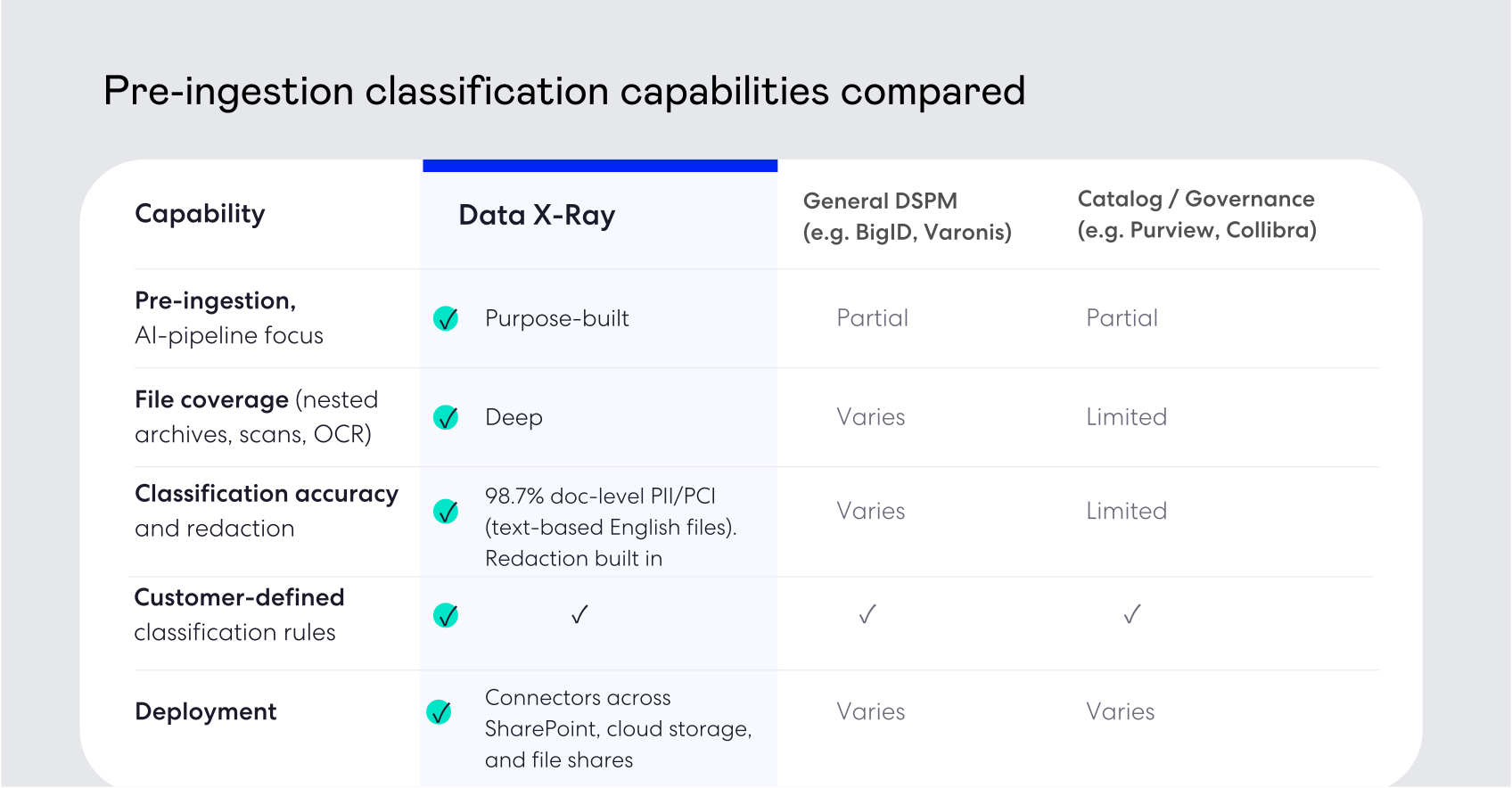

Pre-Ingestion Data Classification for AI
Pre-ingestion data classification is the practice of identifying, labelling, and governing files before they enter an AI pipeline. Detect sensitive data. Apply sensitivity and retention rules. Route risky files out before a model ever reads them. It is a precondition for safe AI, not a feature you add afterward.
What happens without pre-ingestion classification
Without pre-ingestion classification, the vector store ingests everything: PII, regulated content, stale files, duplicates. Governance becomes retroactive. You are remediating exposures instead of preventing them. Every retrieval query can surface data that should never have been indexed.


Why file classification must happen before AI ingestion
Once a file has been ingested by an AI system, the governance decision has already been made. Consciously or not. If a retrieval query returns a document containing PII belonging to a data subject who requested deletion, that is a compliance event. It does not matter that the deletion was recorded elsewhere. The only way to prevent it is to classify files before they are in scope for ingestion.
Where file classification stands today
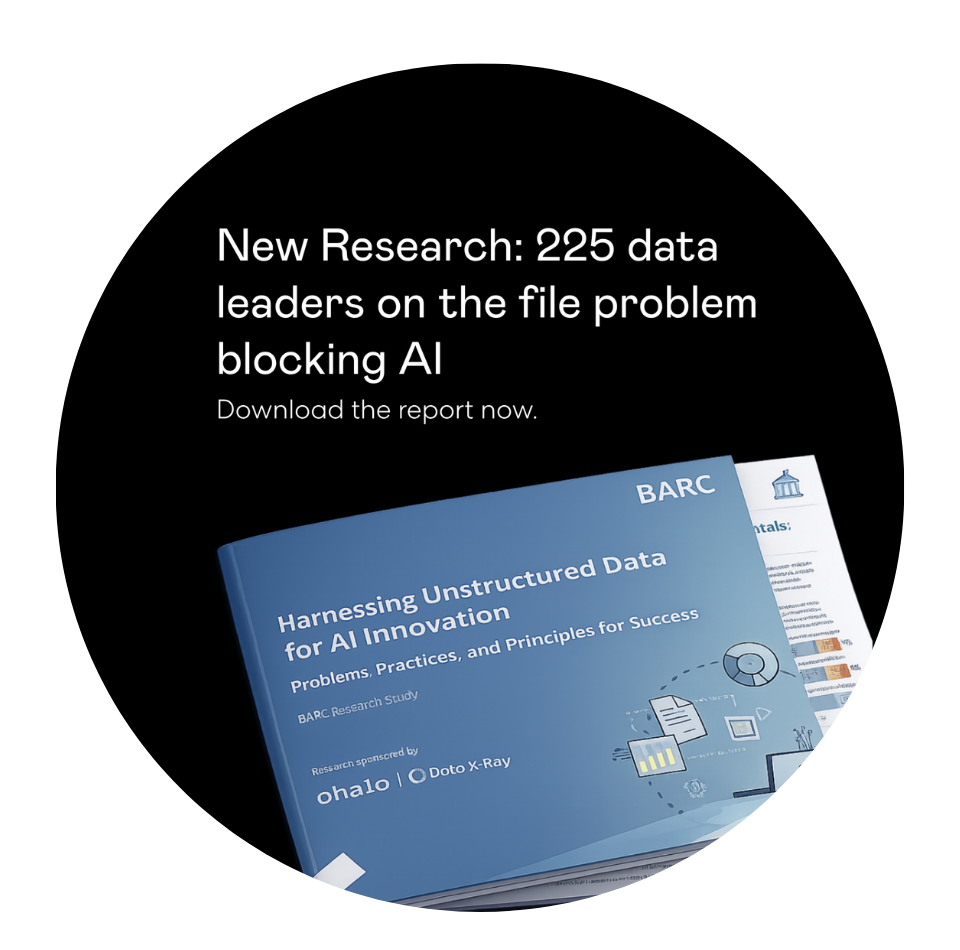
74% of organizations rely on manual effort for classification. 64% have no unified classification framework. The tools exist. The coverage does not. For teams building AI pipelines, this is the gap: files entering ingestion with the wrong sensitivity label, the wrong retention flag, or no classification at all.
Source: BARC Research, Harnessing Unstructured Data for AI Innovation, 2026.
Research co-sponsored by Ohalo.
How Data X-Ray does it
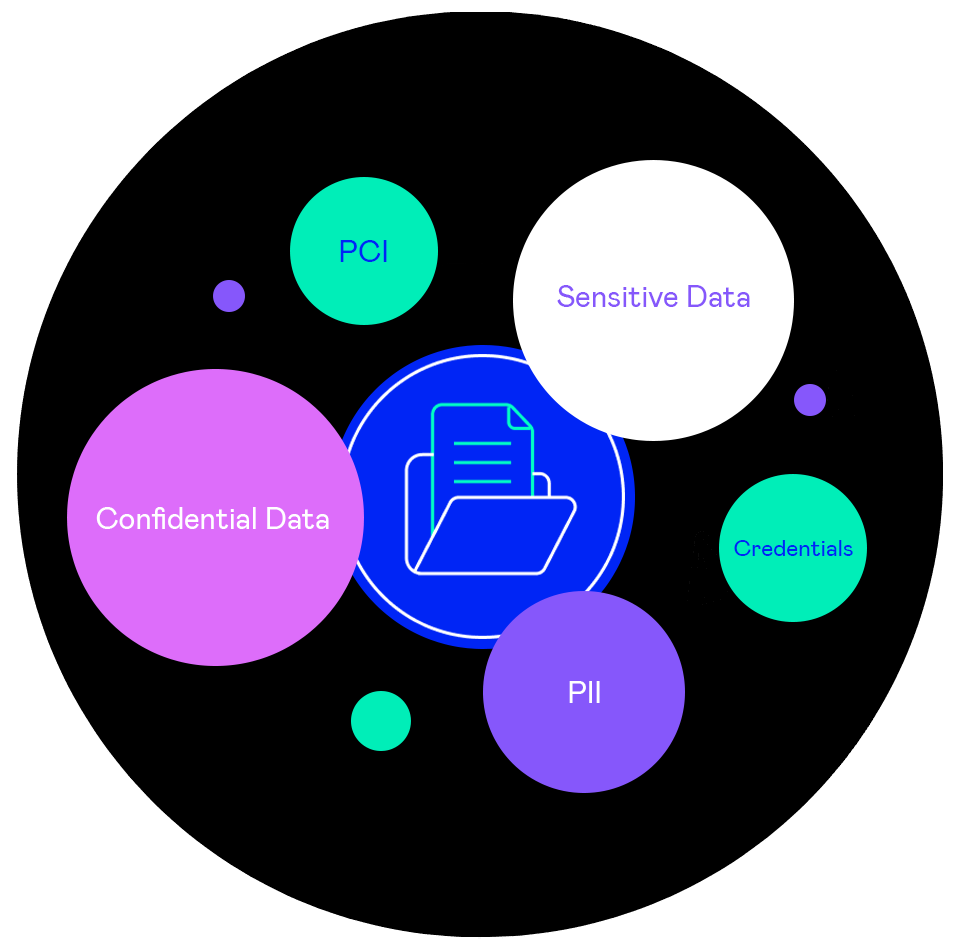
Data X-Ray achieves 98.7% accuracy for document-level PII and PCI classification in text-based English files. Classification runs on three layers: NLP and machine learning for semantic precision, generative AI for document-level context, and your own rules for sensitivity and business logic.
It connects across file sources including SharePoint, cloud storage, and file shares, and routes risky files out of the pipeline before ingestion.